Epoxy Garage Floor Fort Mill SC for a Durable and Stylish Finish
Robust and Trendy Floor Treatment Solutions for Any Need
Durable and stylish floor coating solutions fulfill a range of criteria in both residential and commercial spaces. The selection of materials can greatly shape not just aesthetics, but also functionality and longevity. Factors such as foot traffic and environmental conditions play an essential role in the decision-making process. Comprehending these elements can lead to smarter choices. Yet, with so many options available, how does one determine the most suitable solution?
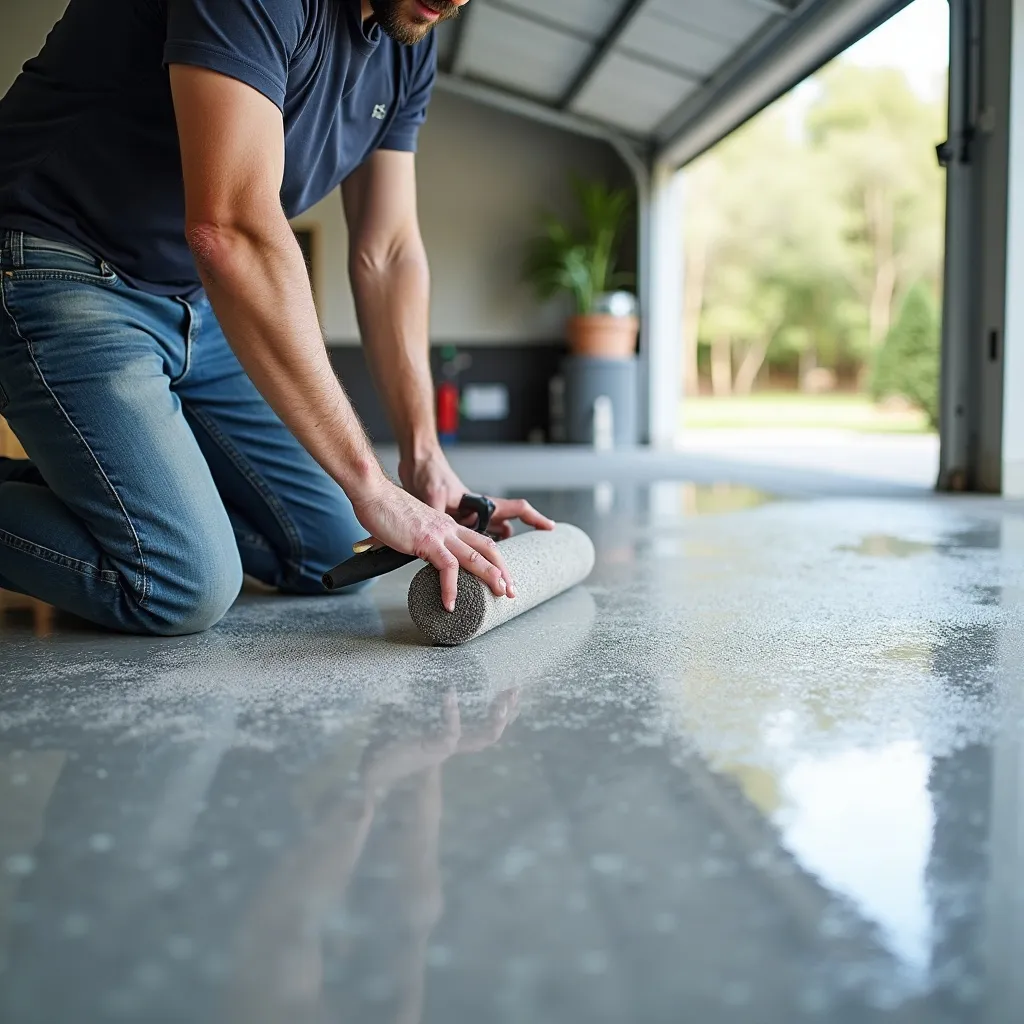
Finding the Right Coating System for Your Area
How might one determine the most ideal floor coating for a specific environment? Selecting the right floor coating requires careful consideration of assorted factors. First, you need to assess the space's function; residential areas may value aesthetics, while industrial settings might focus on durability and safety. Next, understanding the foot traffic levels is essential, as coatings vary in resilience. Environmental conditions, including moisture and temperature fluctuations, also play a significant role in coating selection.
Additionally, the base material under the coating can influence adhesion and compatibility. For example, concrete areas may require specific primers or sealants. One must also consider maintenance requirements; some coatings demand regular upkeep while others provide low-maintenance solutions. Cost limitations are just as critical, as costs can differ significantly among materials. Ultimately, a thoroughly considered choice requires balancing functionality, aesthetics, and cost-effectiveness to achieve the desired outcome.
Most Durable Surface Treatments Designed for High-Traffic Areas
In busy locations, the choice of flooring treatment greatly impacts durability and maintenance. Epoxy flooring systems are known for their strength and capacity to withstand heavy use, while polyurethane solutions provide flexibility and resistance to chemicals. Comprehending the advantages of these options is essential for ensuring long-lasting functionality in challenging conditions.
Epoxy Floor Coatings
Epoxy floor coatings function as a superior choice for high-traffic areas due to their exceptional durability and endurance. Made from a combination of epoxy resins and hardeners, these coatings build a strong surface that can tolerate heavy foot and vehicle traffic without showing deterioration. The uninterrupted installation curtails joints and seams, mitigating the risk of water infiltration and mold growth. Additionally, epoxy coatings supply impressive resistance to chemicals, stains, and impacts, making them well-suited for industrial, commercial, and residential environments. Their glossy finish upgrades aesthetics while supplying slip resistance, boosting safety. Overall, epoxy floor coatings give a workable and visually appealing solution for spaces requiring long-lasting performance.
Polyurethane Floor Solutions
Polyurethane floor coatings emerge as a superior option for locales that require outstanding durability and resilience. These coatings are particularly appropriate for high-traffic zones, including commercial spaces, warehouses, and industrial facilities. Their robust composition guarantees superior defense against wear and tear, chemicals, and UV exposure, ensuring long-lasting performance. Additionally, polyurethane coatings provide flexibility, facilitating them to resist damage impacts without cracking or peeling. The beauty of these solutions is equally significant, since they are available in numerous finishes and color ranges, enhancing the overall ambiance of any space. Moreover, their convenient maintenance renders them a sound choice for busy environments, lowering downtime and upkeep costs. As a result, polyurethane floor solutions function as an ideal choice for demanding applications.
How to Select Chic Floor Treatments That Suit Your Space?
Opting for the suitable flooring product can considerably enhance the visual character and practicality of a space. To begin, evaluating the room's purpose is vital; heavily-used zones may require strong alternatives, while more aesthetic-focused spaces can place emphasis on aesthetics. Color preferences and design themes should guide the selection process; muted shades often create versatility, while intense colors can produce a dramatic effect.
Texture holds an essential position; glossy finishes can convey a modern flair, while matte options may bring warmth and coziness. Weighing lighting is essential, as different coatings can reflect light differently, determining the overall ambiance. Lastly, maintenance requirements should not be set aside; some coatings demand more upkeep than others.
Ultimately, consulting with professionals can provide important essential guide details into the best materials ideal for unique locations, assuring a well-balanced mix of appearance and usefulness in any chosen floor coating.
Leading Eco-Friendly Floor Finishes for Sustainable Living
Eco-friendly floor coatings offer numerous advantages, including reduced ecological impact and enhanced indoor air purity. Various sustainable materials are available, each providing distinct benefits for different applications. Understanding installation tips can also enhance the longevity of these coatings, guaranteeing a enduring impact to eco-friendly living.
Positive Impacts of Environmentally Safe Coatings
As the need for sustainable living grows, the advantages of green floor coatings become increasingly apparent. These coatings often use organic substances and chemical-free formulations, lowering harmful emissions and promoting better indoor air quality. Their durability ensures long-lasting performance, minimizing the need for frequent replacements and thereby decreasing environmental impact over time. Additionally, environmentally friendly coatings can enhance energy efficiency by bouncing back light and preserving ideal temperatures within a space. Furthermore, many of these products are biodegradable, ensuring that they do not add to landfill waste. By choosing eco-friendly options, consumers not only support a healthier environment but also choose attractive, premium flooring solutions that align with their values of sustainability and responsible living.
Best Environmentally Friendly Resource Selections
The expanding focus on eco-friendly living has initiated an examination of diverse green floor coating options. Plant-based materials including bamboo and cork have increased in demand due to their renewability and minimal environmental impact. In addition, water-based polyurethane coatings are lauded for their low volatile organic compound (VOC) emissions, making them a healthier option for indoor spaces. Flooring made from recycled rubber also presents itself as a green option, utilizing reclaimed materials while ensuring durability and comfort. Furthermore, epoxies from plant sources are steadily favored for their eco-friendly properties, merging strength with minimal environmental footprint. These eco-conscious selections not only uplift visual charm of spaces but also serve the planet positively, corresponding with the mounting demand for conscientious living solutions.
Tips for Applying to Longevity Programs
To apply environmentally safe floor coatings, careful attention to the details is required to secure durable results. It is necessary to prepare the surface properly; this includes cleaning and correcting any defects to enhance optimal adhesion. One should monitor temperature and humidity levels because they greatly affect drying and curing. Employing top-notch applicators like rollers or brushes can improve the finish and ensure uniform application. It is advisable to apply several thin coats rather than a single thick layer to reduce bubbling and improve longevity. Following the manufacturer's guidelines, it is essential to permit adequate drying time between coats. Regular upkeep, involving gentle cleaning with eco-friendly products, will assist in prolonging the life of the coating and maintaining its beauty.
Budget-Friendly Flooring Choices
Several homeowners explore wallet-friendly flooring options that present both resilience and aesthetic appeal. Vinyl plank flooring has surged in popularity due to its water resistance and selection of patterns, copying natural wood or stone without premium pricing. Laminate flooring provides a similar aesthetic, highlighting a durable surface that resists scuffs and damage, making it well-suited for heavily used zones.
Furthermore, cork flooring is an environmentally conscious option, recognized for its comfort and insulation properties. It is also impervious to mildew and mold, ideal for moisture-prone environments. For those seeking an even more budget-friendly solution, painted concrete can transform a basic slab into a elegant floor, allowing for imaginative designs.
These options not only fit within budget constraints but also provide the necessary durability to resist everyday deterioration, demonstrating that quality flooring can be accessible without compromising style.
Steps to Install Your New Floor Coating
Installing a new floor coating necessitates meticulous planning and close attention to guarantee a durable result. First, the existing floor must be thoroughly cleaned to eliminate dust, dirt, and any impurities. This may involve sweeping, vacuuming, and mopping. Once the surface is clean, any cracks or imperfections should be repaired to confirm a even foundation.
Next, the proper undercoat should be administered, tailored to the specific type of layer chosen. Following the primer's drying time, the real floor treatment can be applied using a roller and brush, ensuring consistent coverage. It is critical to stick to the maker's guidelines regarding coat thickness and curing period.
After the initial coat has cured, a additional coat may be required for increased longevity. Finally, allowing sufficient curing time before intense use is essential to maintain the quality of the fresh surface finish.
Helpful Recommendations for Keeping Your Floors Looking Amazing
After successfully installing a new floor coating, preserving its condition turns into a priority. Regular upkeep is important; daily sweeping or vacuuming gets rid of dirt and debris that can scratch the surface. For thorough cleaning, using a pH-neutral cleaner with a damp mop aids in protecting the coating's finish without causing damage.
Moreover, laying mats at entryways minimizes the amount of dirt tracked onto the floors. It is recommended to avoid harsh chemicals and abrasive tools, as they can deteriorate the coating over time. Spills should be cleaned promptly to stop staining.
Furthermore, regular evaluations for indications of deterioration can help spot complications before they intensify. If necessary, coating a new coat of sealant can restore the floor's appearance and extend its longevity. By following these straightforward maintenance tips, one can guarantee that their floor coating remains attractive and serviceable for many years to come.

Frequently Asked Questions
What Duration Should You Plan For with Different Floor Coatings?
Various floor coatings usually last between five to twenty years, contingent upon the material and usage. For instance, epoxy can last up to ten years, while polyurethane may endure up to twenty with proper maintenance.
May I apply Floor Coatings Over Existing Flooring?
Yes, floor coatings can often be placed over existing flooring, if the surface is clean, dry, and in good condition. Meticulous preparation is crucial to assure strong adhesion and longevity of the new coating.
What Upkeep Is Needed for Various Flooring Finishes?
Maintenance for floor coatings differs: epoxy needs frequent cleaning and occasional re-coating, while polyurethane requires gentle cleaning without harsh chemicals. Vinyl coatings often require basic sweeping and mopping to preserve their appearance and longevity.
Can Floor Coatings Cause Any Health Risks?
Certain floor coatings may create health risks, including breathing problems or skin sensitivity, primarily due to volatile organic compounds (VOCs). Proper air circulation and adherence to safety protocols can reduce these possible hazards during use and application.
How Do Temperature and Humidity Influence Floor Coating Effectiveness?
Environmental factors like temperature and humidity greatly influence floor coating durability. High humidity may lengthen drying times, while extreme temperatures can affect adhesion and cure rates, which could cause diminished durability and aesthetic appeal over time.